AG13 batteries are among the most common button cell batteries found in modern electronics. Whether it's your digital watch, laser pointer, or children's toys, understanding these small but crucial components can save you time, money, and frustration when replacement time comes.
Understanding AG13 Batteries: The Complete Overview
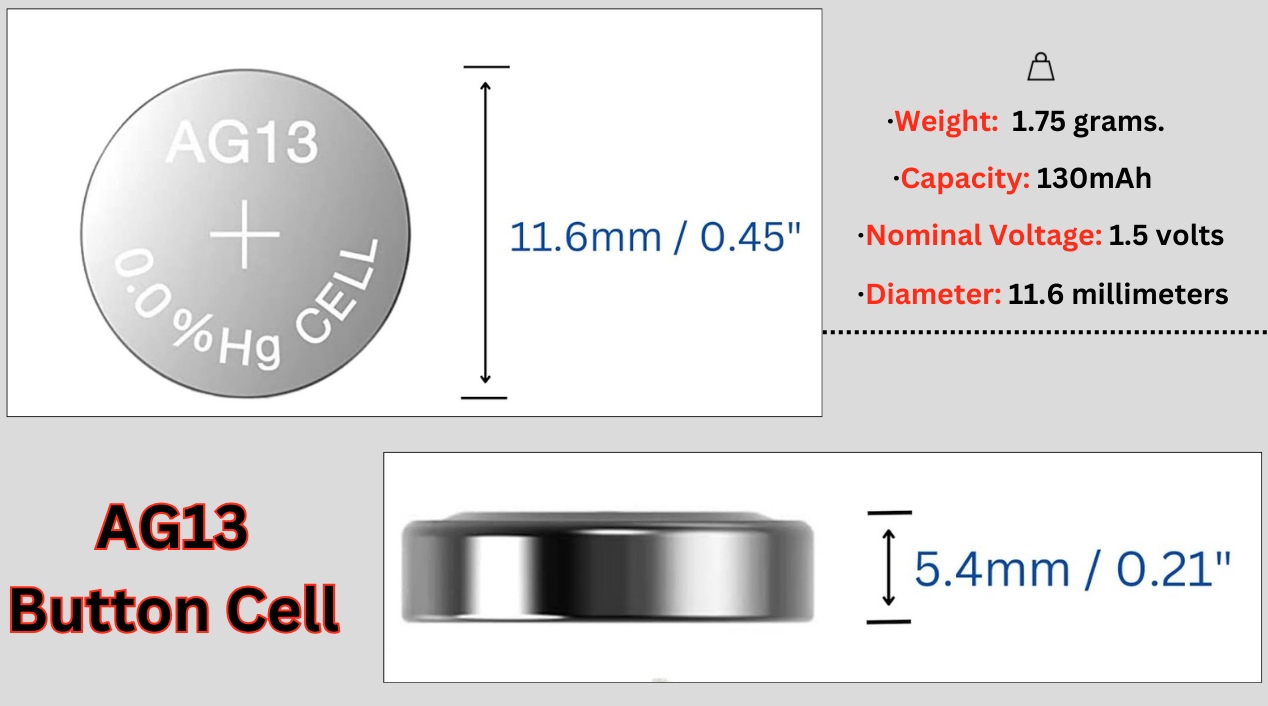
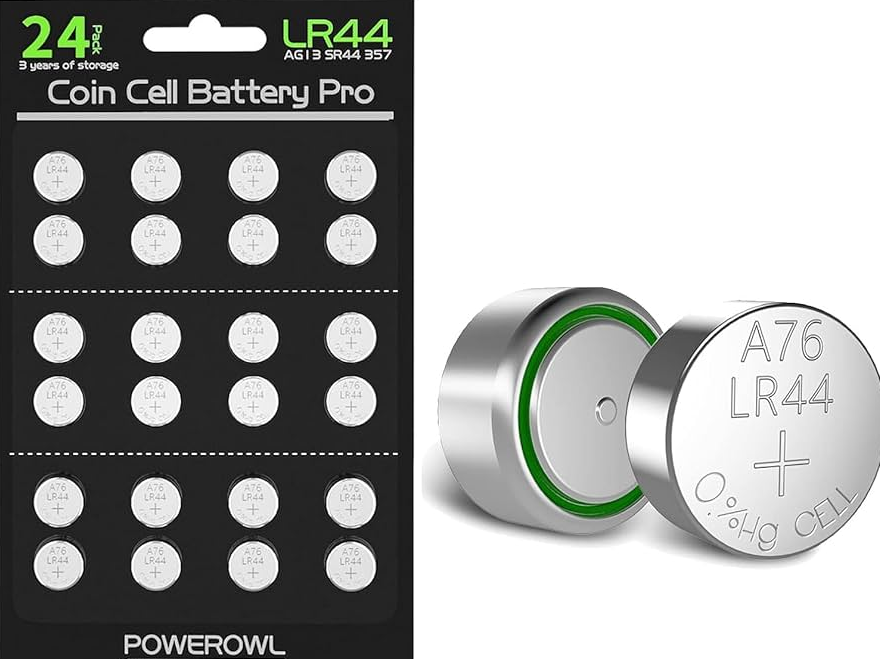
AG13 batteries are alkaline zinc manganese button cell batteries that deliver reliable 1.5V power to small electronic devices. Also known by several alternative names including LR44, A76, and 157, these compact energy sources measure precisely 11.6mm in diameter and 5.4mm in height.
Key Technical Specifications
Voltage: 1.5V (standard), 0.9V (termination voltage)
Capacity: 130mAh typical
Chemistry: Alkaline zinc manganese
Diameter: 11.6mm
Height: 5.4mm
Operating Temperature: -10°C to +60°C
Shelf Life: 3-5 years when stored properly
"The AG13 battery's compact design and reliable power output make it the go-to choice for manufacturers of small electronic devices worldwide."
Common Applications: Where You'll Find AG13 Batteries
These versatile button cells power an impressive array of everyday devices. Understanding where AG13 batteries are commonly used helps you identify when you might need replacements.
Electronic Devices and Gadgets
Watches and Clocks: Digital and analog timepieces
Calculators: Scientific and basic models
Remote Controls: TV, air conditioning, and universal remotes
Laser Pointers: Presentation and pet toys
Digital Calipers: Precision measuring tools
LED Flashlights: Compact emergency lights
Medical and Health Devices
Digital Thermometers: Both oral and infrared models
Blood Glucose Meters: Diabetes monitoring devices
Hearing Aids: Some models (though less common)
Medical Alert Devices: Emergency notification systems
Toys and Entertainment
Electronic Toys: Musical and light-up toys
Gaming Devices: Handheld electronic games
Key Fobs: Car remotes and security devices
Digital Cameras: Some compact models
AG13 Battery Alternative Replacements: Your Complete Guide
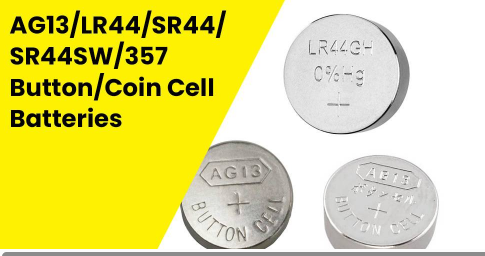
One of the most confusing aspects of AG13 batteries is the numerous alternative names and compatible replacements available. The good news is that AG13 batteries are interchangeable with several other battery types, giving you flexibility when shopping for replacements.
Direct Equivalents (100% Interchangeable)
These batteries share identical dimensions and electrical specifications with AG13:
LR44: The most common alternative name (alkaline)
A76: Popular in North American markets
L1154: European designation
157: Military/industrial specification
G13: Generic industry designation
LR1154: International standard name
Silver Oxide Alternatives (Premium Performance)
These offer superior performance and longer life compared to alkaline AG13 batteries:
SR44: 1.55V silver oxide (slightly higher voltage)
357: Premium silver oxide option
303: High-drain silver oxide variant
SR44W: High-drain silver oxide for watches
SR44SW: Low-drain silver oxide for electronics
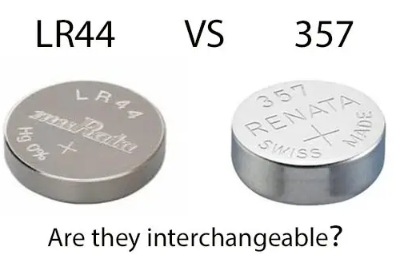
AG13 vs LR44: Are They Really the Same?
**The short answer is yes** - AG13 and LR44 are essentially the same battery with different naming conventions. However, understanding the subtle differences can help you make better purchasing decisions.
| Specification | AG13 | LR44 |
|---|---|---|
| Voltage | 1.5V | 1.5V |
| Chemistry | Alkaline | Alkaline |
| Dimensions | 11.6mm × 5.4mm | 11.6mm × 5.4mm |
| Capacity | 130mAh | 130mAh |
| Interchangeable | ✓ Yes | ✓ Yes |
Why Different Names?
The multiple naming conventions stem from different industry standards:
AG13: Asian manufacturers' designation
LR44: International Electrotechnical Commission (IEC) standard
A76: American National Standards Institute (ANSI) designation
Strengths and Performance Analysis
Key Advantages of AG13 Batteries
Wide Availability: Found in virtually every electronics store and online marketplace
Cost-Effective: Among the most affordable button cell options available
Reliable Performance: Consistent 1.5V output for most device lifespans
Universal Compatibility: Works with numerous device types and brands
Long Shelf Life: Can be stored for 3-5 years without significant power loss
Areas for Improvement
Voltage Drop: Performance decreases noticeably as battery depletes (unlike silver oxide alternatives)
Temperature Sensitivity: Performance may degrade in extreme cold conditions
Lower Capacity: Silver oxide alternatives like 357 batteries offer superior longevity
Common Misconceptions About AG13 Batteries
Misconception 1: "All button batteries are the same"
Reality: While many look similar, different chemistries and sizes offer varying performance characteristics.
Misconception 2: "Silver oxide batteries will damage devices designed for alkaline"
Reality: Silver oxide alternatives like 357 batteries are safe upgrades that often improve device performance.
Misconception 3: "Generic brands are always inferior"
Reality: Many generic AG13 batteries offer comparable performance to name brands at fraction of the cost.
Misconception 4: "You can't mix different battery types in multi-battery devices"
Reality: While not recommended for optimal performance, compatible alternatives (like AG13 and LR44) can be mixed in emergency situations.
Shopping Guide: Where and How to Buy AG13 Replacements
Best Places to Purchase
Online Retailers: Amazon, eBay, and specialty battery sites offer bulk options
Electronics Stores: Best Buy, RadioShack (where available)
Pharmacies: CVS, Walgreens often stock these for medical devices
Hardware Stores: Home Depot, Lowe's carry them in tool sections
Grocery Stores: Most supermarkets have small electronics sections
Money-Saving Tips
Buy in Bulk: Purchase 10-20 pack bundles for significant per-unit savings
Compare by Alternative Names: Search for LR44, A76, and 357 to find better deals
Consider Silver Oxide: Higher upfront cost but longer life can mean better value
Check Expiration Dates: Ensure you're getting fresh batteries with full shelf life
Real User Experiences and Case Studies
Sarah's Smart Watch Solution
"My fitness tracker died during a marathon training week. The manual said LR44, but the store only had AG13. The clerk assured me they were the same - and they were right! My watch has been running perfectly for 8 months now."
Mike's Medical Device Challenge
"My father's blood glucose meter needed 'AG13' batteries, but I could only find 357 silver oxide ones nearby. After researching compatibility, I learned the 357s actually last longer in medical devices. Dad's been using them for over a year without issues."
Electronics Technician's Professional Insight
"In our repair shop, we stock LR44, AG13, and 357 batteries interchangeably. For high-drain devices like digital calipers, we always recommend the silver oxide 357s - they maintain voltage better under load."
Installation and Safety Tips
Proper Installation Steps
Power off the device before battery replacement
Note the orientation - positive (+) side typically faces up
Remove old battery using non-metallic tweezers if necessary
Clean contacts with dry cloth if corrosion is present
Insert new battery with correct polarity
Test device function before reassembling
Safety Considerations
Keep away from children: Button batteries pose serious ingestion hazards
Don't short-circuit: Avoid touching both terminals simultaneously with metal objects
Proper disposal: Take dead batteries to recycling centers
Storage: Keep in cool, dry place away from metal objects
Troubleshooting Common Issues
Device won't turn on after battery replacement:
Check battery orientation (+ and - positioning)
Ensure battery contacts are clean
Verify you're using the correct battery type
Test battery voltage with multimeter
Short battery life:
Device may require higher capacity (consider 357 silver oxide)
Check for device power drain issues
Verify battery freshness and expiration date
Consider environmental factors (temperature, humidity)
Battery won't fit properly:
Confirm exact dimensions (some button cells vary slightly)
Remove any protective packaging
Check for debris in battery compartment
Future Trends and Considerations
The button battery market continues evolving with environmental concerns driving innovation. Many manufacturers are developing:
Mercury-free formulations: Already standard in AG13 batteries
Rechargeable alternatives: Though not yet widely available in AG13 size
Enhanced leak-proof designs: Better protection for sensitive electronics
Improved packaging: Child-resistant blister packs becoming standard
For projects involving microcontrollers like the Raspberry Pi or ESP8266, understanding button battery specifications becomes crucial for battery-powered IoT applications.
Environmental Impact and Recycling
Responsible disposal of AG13 batteries helps protect our environment:
Don't throw in regular trash: Batteries contain metals that can leach into groundwater
Use designated collection points: Many stores offer battery recycling programs
Consider rechargeable alternatives: When available, they reduce long-term waste
Buy only what you need: Prevents batteries from expiring unused
Conclusion: Making Smart AG13 Battery Choices
Understanding AG13 batteries and their alternatives empowers you to make informed decisions that save money and ensure optimal device performance. Whether you stick with traditional alkaline AG13s for cost-effectiveness or upgrade to silver oxide alternatives like 357 batteries for enhanced performance, the key is knowing your options.
Remember these essential points:
AG13, LR44, and A76 are interchangeable alkaline options
Silver oxide alternatives (357, SR44) offer superior performance
Buy from reputable sources and check expiration dates
Consider your device's power requirements when choosing alternatives
Always dispose of batteries responsibly
With this comprehensive guide, you're now equipped to navigate the sometimes confusing world of button batteries confidently. Whether you're maintaining medical equipment, fixing children's toys, or working on electronics projects, the right battery choice can make all the difference in performance and reliability.
Pro Tip: Keep a small supply of both alkaline (AG13/LR44) and silver oxide (357) batteries on hand. This ensures you're prepared for any device replacement needs while having the option to upgrade performance when beneficial.
- 1.
Can I use a 357 battery instead of AG13?
Yes, 357 batteries are compatible with AG13 applications. They're silver oxide batteries that offer longer life and more stable voltage, making them an excellent upgrade option.
- 2.
How long do AG13 batteries typically last?
Battery life varies by device and usage, but typically ranges from 6 months to 2 years. High-drain devices like digital calipers may need replacement every 3-6 months, while low-drain devices like watches can run for 1-2 years.
- 3.
Are AG13 and LR44 batteries exactly the same?
Yes, they are identical batteries with different naming conventions. AG13 is commonly used by Asian manufacturers, while LR44 is the international standard designation.
- 4.
Why do some AG13 batteries cost more than others?
Price differences typically reflect brand reputation, packaging quality, and sometimes slight variations in capacity or shelf life. Generic brands often offer comparable performance at lower costs.
- 5.
Can I mix different brands of AG13 batteries in the same device?
While it's technically possible, it's not recommended for multi-battery devices. Different brands may have slight capacity variations that can lead to uneven discharge and reduced overall performance.
View More
 Sophie
Sophie, an accomplished electronic designer from Canada, holds a Bachelor's degree in Electrical Engineering from McGill University. She excels in developing advanced control systems that integrate mechanical, electrical, and computer engineering technologies. Her expertise particularly lies in working with electronic components. Notably, she has distinguished herself in conducting research involving Arduino and Raspberry Pi.

28 November 2025
25 October 2025

25 September 2025

16 August 2025
10 July 2025