
 100% Original & New
 24 Hours ready to ship
 365 Days Warranty
 RFQ & Get more Discounts





HOT CATEGORIES

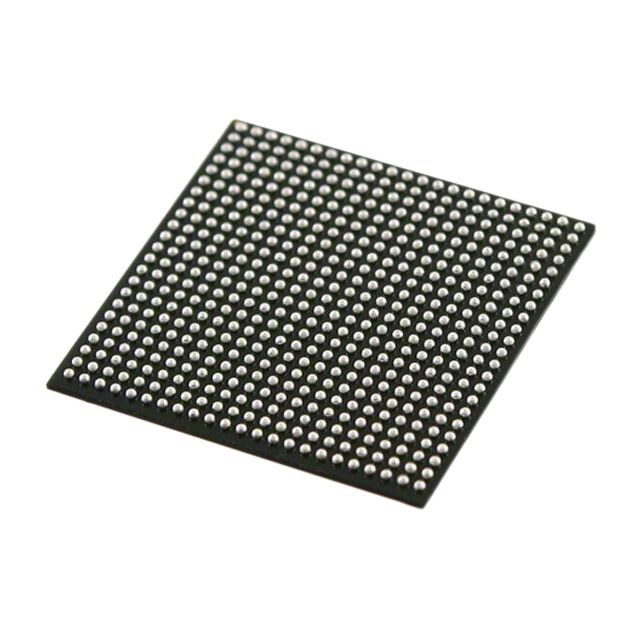
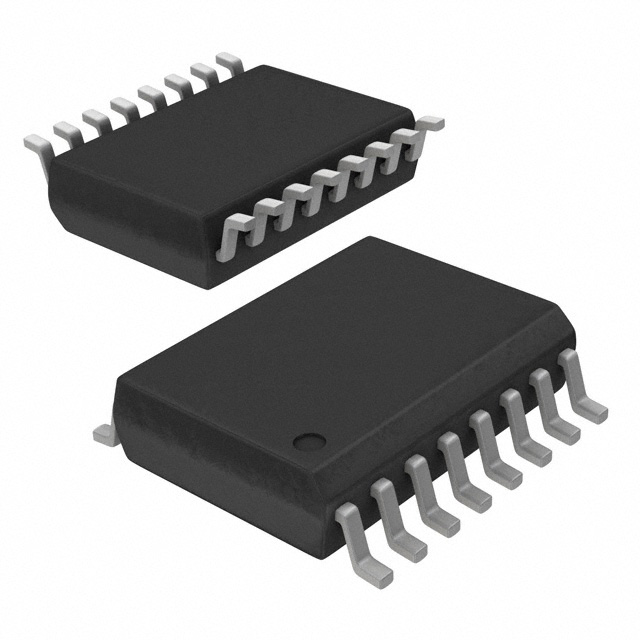

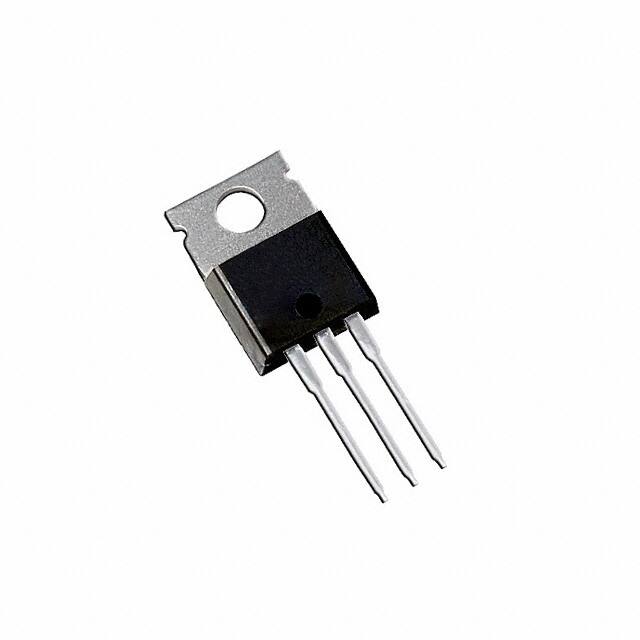

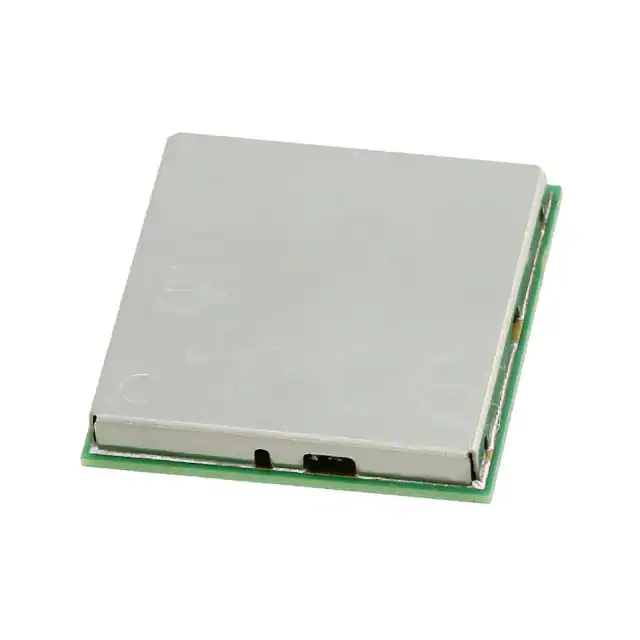


FEATURED PRODUCTS

 RoHS
RoHS-
- RoHS
-
 RoHS
RoHS-
- RoHS
 RoHS
RoHS
FEATURED MANUFACTURERS










Are you looking for the right development board that best aligns with your hardware project? In the ever-expanding landscape of electronics, Arduino and Raspberry Pi have garnered a lot of attention from DIY builders, hobbyists, and professionals. These powerful controller boards have revolutionized the realm of prototyping and physical computing.

Around the globe, development boards are considered essential tools for hobbyists, students, and engineers.
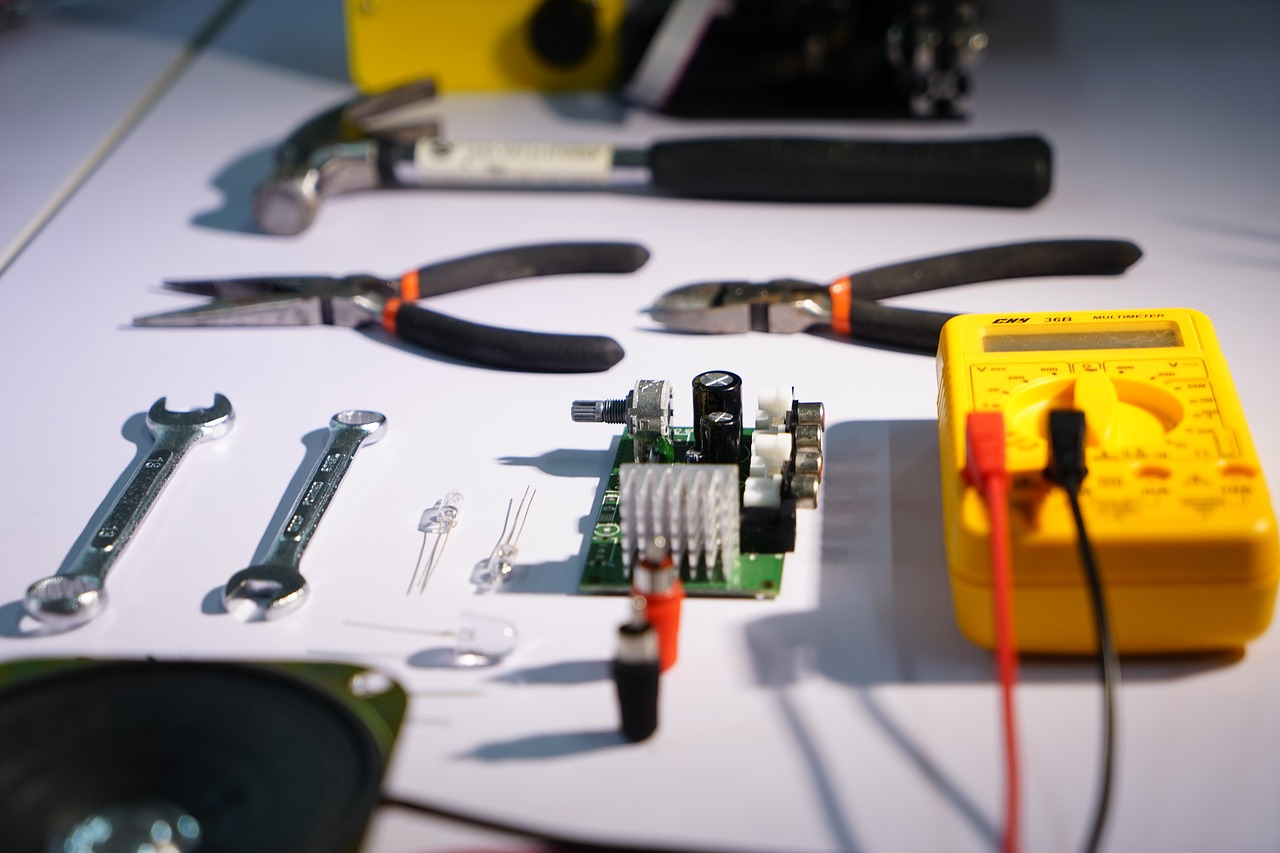
Let’s face it: digital technologies are ushering in a new, revolutionary era. From the way we live to the way we work; everything is changing due to them. Critical to this transformation are circuit protection components. They ensure the safe and seamless operation of basically each and every electronic device we use, including mobile phones, laptops, tablets, television, and even cars. Hence, it doesn’t come as a surprise then that the global circuit protection is thriving and expected to further grow significantly in the coming years. We will now delve deeper into the world of circuit protection components, exploring the functionality and benefits of key circuit protection components. So, without any further ado, let’s get started…
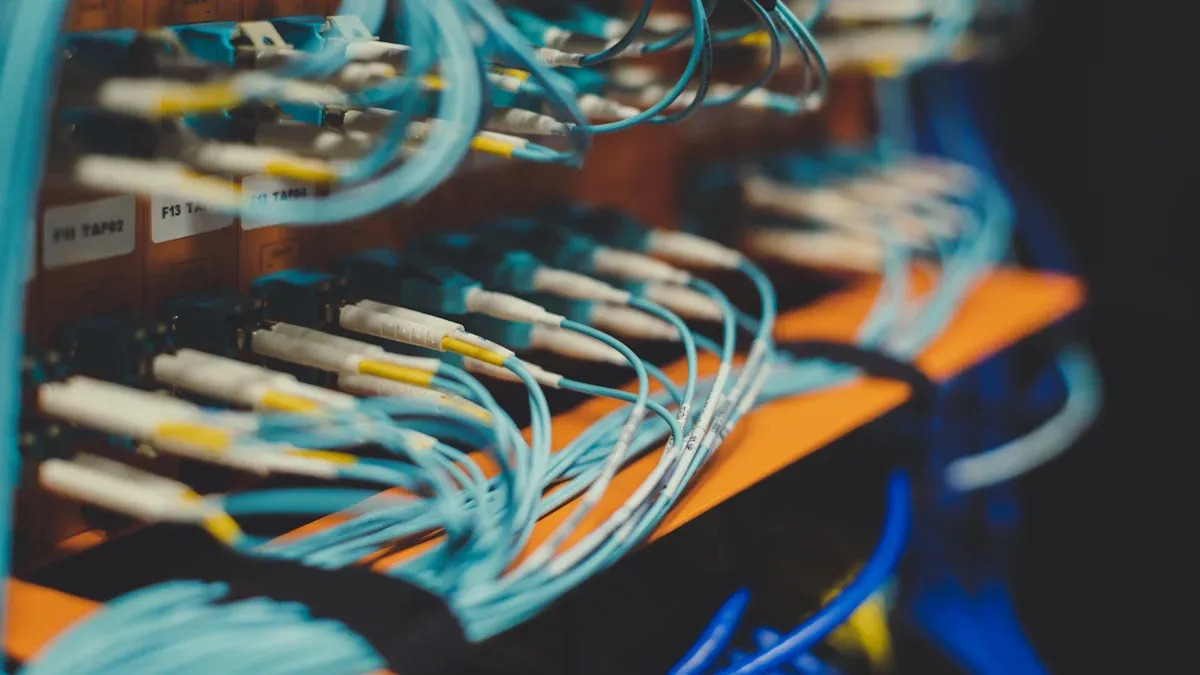
Connector Manufacturing helps many industries like automotive, industrial, electronics, and high voltage. The global connector market may reach about USD 74.5 billion in 2025.